
Social Skills Program
Built for Meaningful Connections
Providing individuals with the concrete tools they need to engage, communicate, and build lasting friendships through a structured, step-by-step approach.
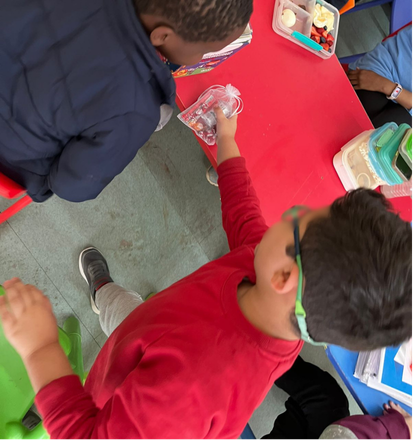
Through structured group activities, guided social interactions, and outdoor experiences, children have opportunities to practice communication, cooperation, problem-solving, and friendship skills in meaningful, real-world settings.
TARGETED INDIVIDUALIZED CARE
Supporting Social Growth Across Environments
We guide children, adolescents, and young adults who are navigating complex social hurdles.
Providing specialized clinical support for individuals with:
Autism Spectrum Disorder
ADHD with accompanying social challenges
Social communication and language difficulties
Learning difficulties affecting natural peer interaction
How Our Social Skills Training Works
Social rules are taught explicitly, practiced safely, and reinforced dynamically in real-life settings.
Learn
Structured Lessons
Introducing fundamental behavioral concepts in quiet, distraction-free spaces.
Practice
Interactive Role-Play
Practicing conversational scripts and play actions safely with trained instructors.
Apply
Real-World Assignments
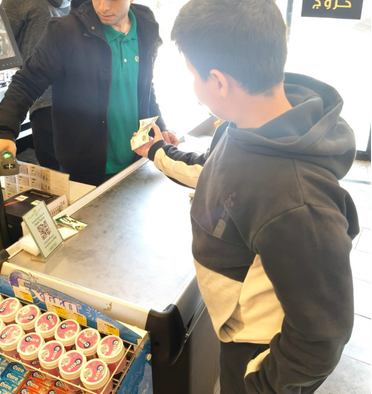
Stepping out into public community spaces to utilize newly mastered skills dynamically.
Learn
Active Parent Involvement
Providing families with concrete home routines to ensure habits remain permanent.
Practical Skills Broken Down into Repeatable Steps
Playground Basics: Sharing, functional turn-taking, and active cooperative play mechanics.
Group Dynamics: Methods to confidently join peer activities and process winning or losing.
Early Conversation: Simple, accessible strategies for ongoing peer interactions.
Emotional Regulation: Identifying and navigating personal feelings inside active social settings.
Advanced Conversation: Initiating, balancing, and smoothly exiting mature discussions.
Social Nuances: Accurately reading subtle body language cues and utilizing situational humor.
Handling Friction: Healthy management strategies for teasing, complex bullying scenarios, or peer rejection.
Relationship Building: Structural guidance on conflict resolution and peer boundary basics.
Interested in Learning More?
Program recommendations are guided by assessment findings, developmental priorities, and each child’s individual profile. Contact our team to discuss your child’s needs and explore appropriate support options.